Elephant
Elephant
Elephant
Elephant

MEET THEELEPHANTS

In 2018, Dr. Tammie Matson returned to Akagera National Park for her second visit, arriving two days before her tour group. This time, she and I spent those days on a focused research drive dedicated entirely to studying Akagera's elephants. — Through careful observation, we discovered that the population was organised into two main matriarchal groups, which we named Clan A and Clan B. We began identifying unique individuals within each clan and gave them names based on their physical features, behaviours, and personalities.

FAMILIES
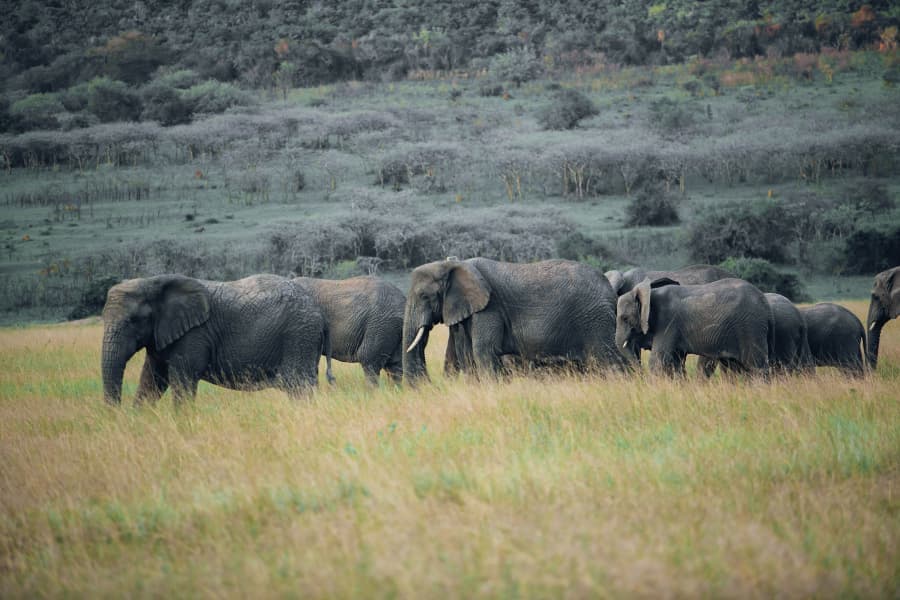
Murinzi Family
MURINZI | Bodyguard
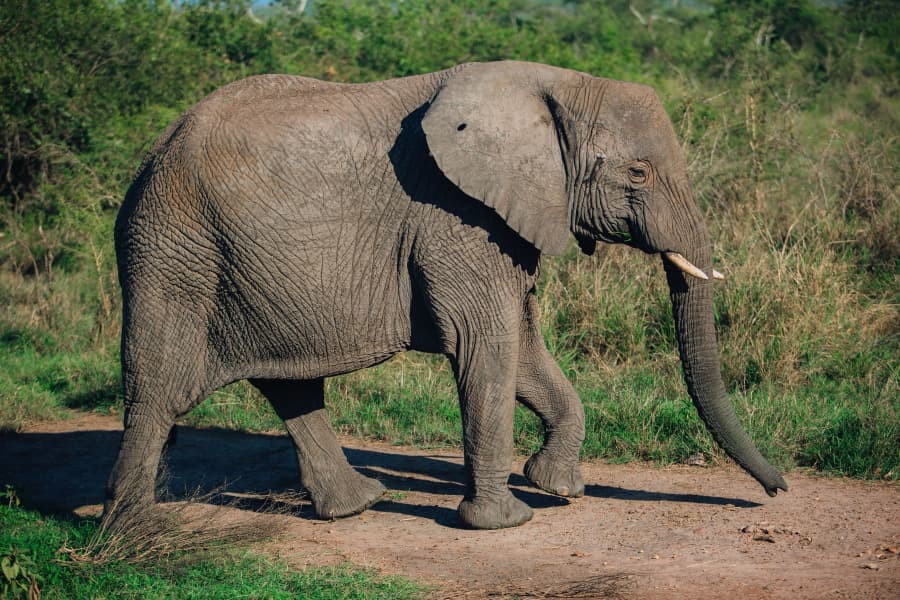
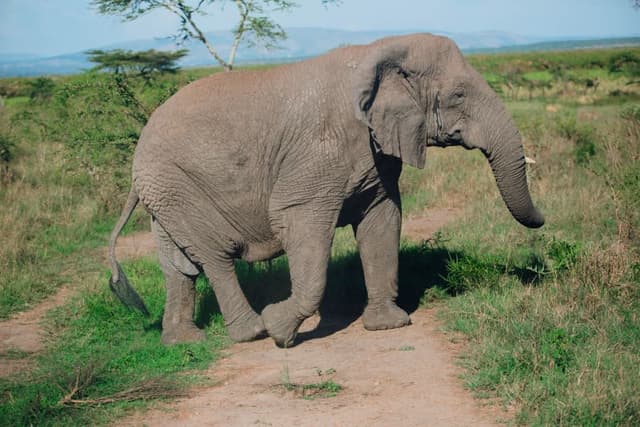
For months, we were convinced that a highly aggressive elephant we encountered was a bull. On one occasion, she charged and nearly hit our vehicle. It took eight months of observation to realise that she was not a male at all, but a female acting out of fierce protection. She was guarding her fully grown calf, who was clearly unwell—constantly limping, very thin, missing the tip of its trunk, and struggling to keep up with the herd. We named the mother Murinzi, meaning "bodyguard," and her calf Survivor. Witnessing her determination, strength, and devotion shifted my understanding of elephant behaviour forever.
View in Gallery
Mukecuru Family
CLAN A | Matriarchal Group

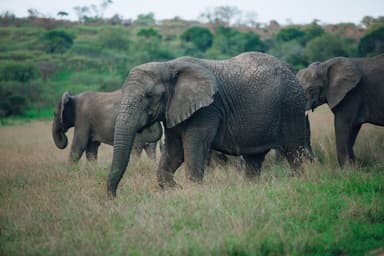
Clan A consisted of just over 50 elephants. Through careful observation, we began identifying unique individuals within this clan and gave them names based on their physical features, behaviours, and personalities. By the end of the research period, we had identified six distinct individuals in Clan A, each with their own stories that transformed the way I guide, teach, and share information about Akagera's elephants.

View in Gallery
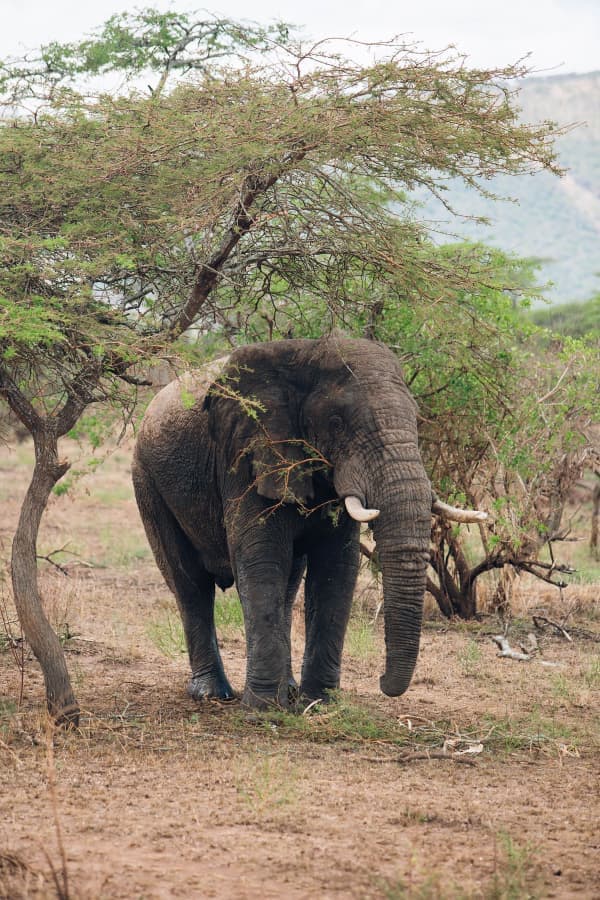
Mashami Family
CLAN B | Matriarchal Group
Clan B was larger, with about 70 individuals.
We identified four distinct individuals in Clan B, each with their own stories. These experiences transformed the way I guide, teach, and share information about Akagera's elephants. They taught me to look beyond surface behaviour and to tell stories that reflect the intelligence, emotion, and complexity of these animals.
View in Gallery
Survivor Family
SURVIVOR | The Resilient Calf
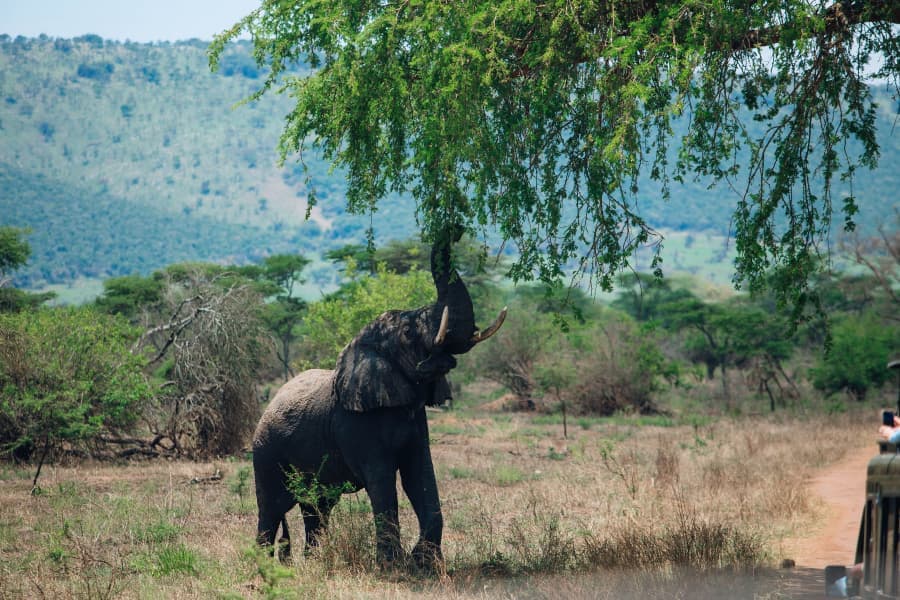
Survivor was the fully grown calf of Murinzi, constantly limping, very thin, missing the tip of its trunk, and struggling to keep up with the herd. Despite these challenges, Survivor's story represents resilience and the powerful maternal protection that elephants demonstrate. This personal journey is at the heart of the Akagera Elephants Memories initiative and continues to shape everything the program stands for today.
View in Gallery